 Ask Jenna
What Does the ... Mean in a Text? The Brutal Truth About the Ellipsis
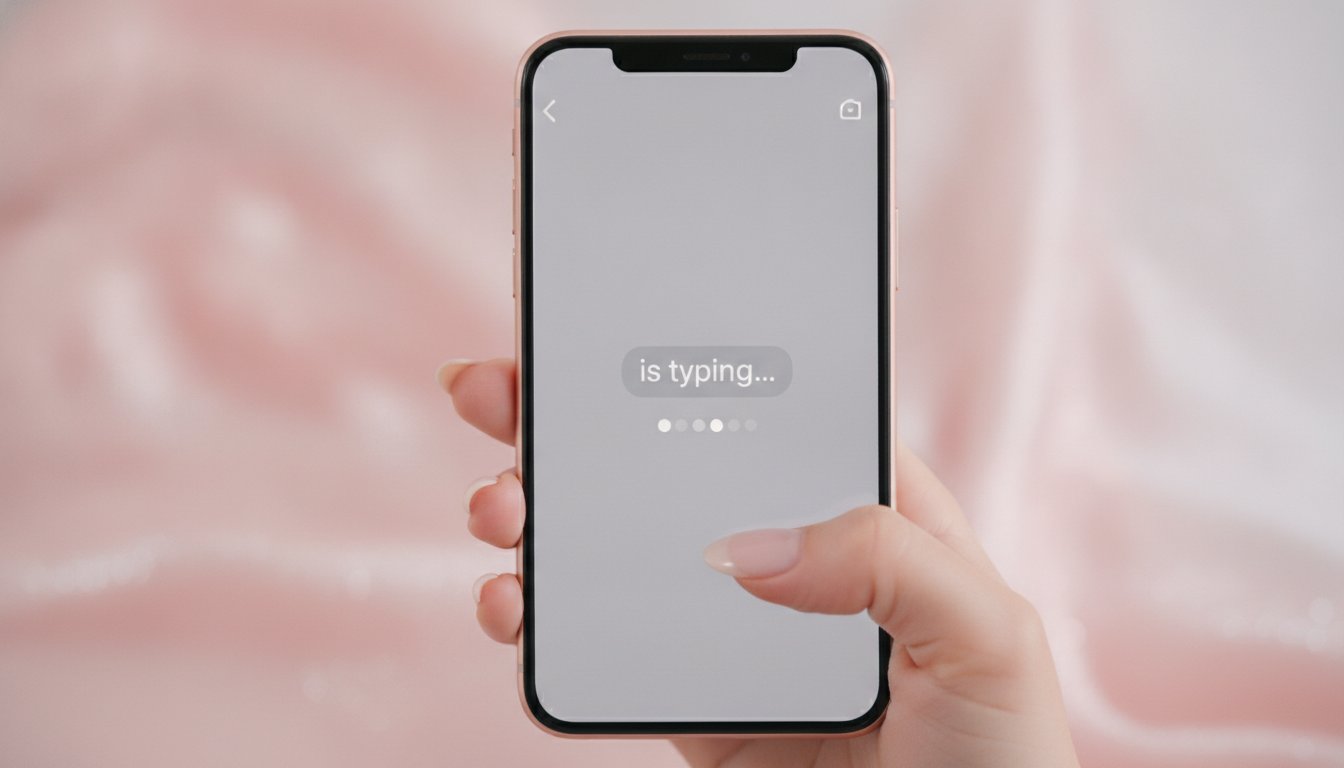
Those three flickering dots aren't just punctuation. They're a digital psychological weapon designed to keep you staring at your screen until your battery dies. You've spent the last twenty minutes wondering what does the ... mean in a text, spiraling through every possible scenario from "they're busy" to "we're over." It's exhausting. You're looking for a signal, but all you're getting is static. Stop the mental gymnastics. You deserve a direct answer.
We know the feeling. The "is typing" bubble appears, vanishes, and leaves you in a state of high-alert anxiety. It's a common struggle in modern dating where a single dot can feel like a direct attack. This guide will give you the clarity you need. You'll learn exactly what those three dots signal about your relationship status and the sender's intent. We're diving into the generational divide, the hidden subtext of digital body language, and a clear strategy to respond without losing your cool. No more guessing. Just the brutal truth and the peace of mind you've been craving.
Key Takeaways
- Punctuation is digital body language. Those three dots represent unspoken energy, ranging from genuine hesitation to calculated annoyance.
- Stop guessing what does the ... mean in a text by identifying the four specific intent signals used in modern dating.
- Master the baseline check. Compare their current punctuation to their usual habits to spot sudden shifts in emotional tone or availability.
- Match the energy. Learn why you should never double-text or over-explain when faced with a trailing ellipsis.
- Use AI-powered text message decoding to reveal long-term relationship patterns instead of obsessing over a single data point.
The Three-Dot Dilemma: Why the Ellipsis Triggers Instant Anxiety
Forget your old grammar books. While the grammatical function of an ellipsis is technically to show omitted text, your phone has changed the rules. In your DMs, those three dots are a loaded silence. They represent the digital equivalent of someone narrowing their eyes and pausing mid-sentence. You see them and your heart rate spikes. You immediately start wondering what does the ... mean in a text when there's no follow-up. It's not a placeholder anymore. It's a signal of unspoken energy.
In 2026, an ellipsis is a container for whatever the sender is too hesitant, too annoyed, or too lazy to say. Your brain treats this ambiguity as a direct threat to your social safety. Without the benefit of a voice or a face, you're left to guess the intent. Most people guess wrong. They fill the silence with their own insecurities. It's a survival instinct. We're wired to scan for danger, and a vague message is a red flag to the subconscious.
The Psychology of Uncertainty
Ambiguity fuels anxiety. When a message ends in an ellipsis, it creates what psychologists call an "open loop." Your brain is a completion machine. It hates unfinished business and demands a resolution. This is why you spend hours overthinking a single punctuation mark. You're trying to close a loop that the sender left wide open. The digital ellipsis is a psychological tool for pausing that intentionally shifts the burden of communication onto the recipient. It makes you do the emotional work while they remain comfortably vague.
Ellipsis vs. The Typing Bubble
Don't confuse the "is typing" bubble with a sent ellipsis. The bubble is active. It's a promise that a thought is being formed. It might be a long thought, but it's coming. The sent ellipsis is a choice. It is a deliberate delivery of silence. It's more final and often more intentional than a typo. It's a message in itself.
Sending three dots is often a power move. It forces you to wait. It says "I have the floor, and I'm not finished, but I'm not speaking yet." In the early stages of dating, a "trailing off" pattern usually signals one of two things: a lack of interest or a desire to keep you off-balance. If they wanted to be clear, they'd use a period. They chose the dots instead. Recognize the difference between a pause and a play. Stop looking for meaning in the void and start looking at the behavior.
Decoding the Dots: The 4 Hidden Meanings of "..." in Dating
You can't apply the same rule to every sender. Context is everything. To stop asking what does the ... mean in a text, you have to look at the relationship dynamic. People use these dots as a shorthand for emotions they aren't ready to name. It is a digital mask. Let's unmask the four most common intentions behind the ellipsis in your dating life.
- The "I am Thinking" Dot: This is the most innocent version. The sender is literally processing. They have something to say but haven't found the right words yet. It is a placeholder for a complex thought.
- The "Passive-Aggressive" Dot: This is a silent protest. It replaces a period to show they are unhappy but want you to do the work of finding out why.
- The "Flirty" Dot: This is the "to be continued" vibe. It creates a suggestive pause. It invites you to lean in and imagine what comes next.
- The "Low Effort" Dot: This is the sound of a conversation dying. It is dry texting at its peak. It shows they are bored or fading out.
Spotting the Passive-Aggressive Signal
Watch for the short text followed by the ellipsis. "Okay..." or "Cool..." are rarely just acknowledgments. They are loaded. In 2026, punctuation is our primary tonal indicator. Research from 2025 shows that even adding a period to a one-word text like "OK." makes it feel insincere or angry. Replacing that period with three dots amplifies the hostility. It signals that there is a "but" they aren't saying. If you see this pattern frequently, it is a red flag for poor communication. They are using punctuation to punish you instead of talking to you. If you're stuck in a loop of confusion, text message decoding can help you spot these red flags before you waste more time.
The Suspenseful Flirt
When the vibe is good, the ellipsis changes character. It becomes a tool for building sexual tension. "I was just thinking about you..." feels very different than "I was just thinking about you." The dots create a "come hither" energy. They leave the sentence unfinished, which forces your brain to fill in the blanks with something suggestive. It is an invitation. It signals that the conversation is open-ended and full of potential. Look for these dots when the conversation is playful and high-energy. They are meant to keep you hooked and wanting more. It's a calculated move to keep you thinking about them long after the screen goes dark.
Digital Body Language: Ellipsis vs. Period vs. No Punctuation
Words are only half the story. In a screen to screen world, punctuation is your tone of voice. It is the difference between a whisper and a scream. If you want to know what does the ... mean in a text compared to other marks, you have to look at the "weight" of the ending. Punctuation provides the non-verbal cues that your eyes and ears usually catch in person. Without it, you are flying blind. With it, you can read the room before you even reply.
- The Full Stop (.): The door slams shut. It signals finality, authority, and a lack of desire for further debate. It says "we are done here."
- The No-Punctuation Style: The door is wide open. This is the hallmark of relaxed, high-trust communication. It is casual, fast, and implies a level of comfort where formal rules don't apply.
- The Ellipsis (...): The door is ajar. It signals uncertainty, lingering thoughts, or a hidden depth that the sender is choosing not to reveal yet.
The "Full Stop" Fear
For Gen Z and Millennials, a period at the end of a short text is an act of aggression. A 2025 study from Binghamton University highlighted that adding a period to a one-word text like "OK." makes the sender seem irritated or insincere. Compare "Okay." to "Okay..." and you see the shift. The first is a cold dismissal. The second is an invitation to keep talking, even if the vibe is slightly awkward. Use a period when you need to draw a hard line or establish professional distance. Drop it entirely when you want to maintain a warm, low-pressure connection.
Punctuation as a Power Move
Changing your punctuation style is a subtle way to shift the relationship dynamic. If you usually text with no punctuation and suddenly switch to formal periods, you are signaling a withdrawal. You are pulling back your emotional energy. This inconsistency is often a major indicator of emotional unavailability. One day they are casual and punctuation-free; the next, they are using ellipses to leave you hanging. These shifts are rarely accidental. They are calculated moves to maintain control over the interaction. Ask Jenna’s pattern recognition tools show that these punctuation shifts reveal more than the words themselves. When the dots start appearing out of nowhere, the power balance is changing. Pay attention to the rhythm. The truth is in the patterns, not the individual messages.

Stop Overthinking: How to Handle the Ellipsis Like a Pro
Stop staring at your screen. The more you analyze those three dots, the more power you give the sender. You’ve already decoded the potential subtext. Now, you need a strategy. Knowing what does the ... mean in a text is useless if you don't know how to respond. Take control of the narrative. Follow these four steps to shut down the anxiety and get the clarity you deserve.
- Step 1: Check the baseline. Is this their normal rhythm? Some people use ellipses as commas. If they’ve done this since day one, it’s just a bad habit. If it’s a sudden shift, it’s a signal.
- Step 2: Match the energy. Do not over-explain. If they send a vague message, do not respond with a paragraph. Keep your reply shorter than theirs.
- Step 3: Call it out. Use light humor. Send something like, "The suspense is actually killing me lol." It forces them to clarify without making you look desperate.
- Step 4: Pivot the conversation. If they don't take the bait, move on. Change the subject or end the chat. Don't wait for permission to be done.
The "Match and Mirror" Strategy
A lot of people think they should respond with another ellipsis. Don't do it. Mirroring their ambiguity just creates a vacuum where nothing gets said. It makes you look as unsure as they are. Instead, use short, confident sentences. If they leave a thought hanging, be the one to close it. This shifts the power back to you. It shows you aren't bothered by their "trailing off" energy. You have better things to do than wait for a bubble to burst. If you find yourself stuck in a spiral, use response generation to get a clear, high-value reply that stops the games instantly.
When to Walk Away
Sometimes the dots are a dead end. If the ellipsis becomes a recurring pattern of dry texting, you're being breadcrumbed. They are giving you just enough to keep you interested without putting in any real effort. It's a low-energy play. Recognize that "..." is often the sound of a connection fading out. Don't try to save a conversation that the other person is clearly letting die. Use red flag detection to analyze the broader pattern. If the dots are consistent and the effort is non-existent, it’s time to stop typing and start walking. You aren't a detective. You're a catch. Act like it.
Beyond the Dots: Let AI Reveal the Real Relationship Pattern
You have spent enough time dissecting a single message. One text is just noise. Patterns are the signal. If you keep asking what does the ... mean in a text without looking at the last three months of conversation, you are missing the point. A single ellipsis is a data point. A series of them is a behavioral roadmap. Stop zooming in on the punctuation and start looking at the trajectory of the relationship. The truth is rarely hidden in one bubble; it is written across the entire chat history.
Stop playing digital detective. Your emotions cloud your judgment. You see three dots and imagine a crisis or a hidden romance. You over-analyze because you care. AI does not have that problem. It sees frequency, timing, and linguistic shifts that the human eye misses. It identifies if that "..." is a recurring red flag for emotional unavailability or just a harmless quirk of their personality. You need an objective ally to cut through the noise and give you the facts.
Decode Subtext with Ask Jenna
Upload your screenshots for an instant vibe check. Our AI-powered text message decoding does not just look at the dots. It analyzes the timing, the word choice, and the overall emotional weight of the exchange. Identify if that ellipsis is a one-time hesitation or a consistent behavioral pattern designed to keep you on the hook. Replace your confusion with certainty in seconds. You get a direct revelation of intent, not a guess based on anxiety. This is how you reclaim your time and your sanity.
Once you have the truth, you need a move. Use our response generation feature to create the perfect, high-value reply. No more typing and deleting for twenty minutes. No more sending screenshots to five different friends for advice. Get a reply that maintains your confidence and forces a real interaction. If they are playing games, a sharp, strategic response ends the play. If they are genuine, it opens the door for a real connection. You stay in the driver's seat either way.
The Future of Relationship Intelligence
Guessing is a massive waste of your emotional energy. You have better things to do than solve punctuation puzzles. By using pattern recognition and journaling, you build a comprehensive profile of your dating interactions. You see the big picture. You spot the breadcrumbers, the ghosters, and the genuine partners before they have a chance to drain your battery. This is dating with intelligence. It is about using modern tools to navigate ancient human emotions. Get the clarity you deserve with Ask Jenna.
Master the Art of Digital Clarity
Stop letting three dots dictate your mood. You've learned that punctuation is the pulse of a digital conversation. It's the difference between a cold dismissal and a suggestive pause. Stop wondering what does the ... mean in a text and start looking at the behavioral patterns that actually define your relationship. You have the tools to spot passive-aggression, identify low-effort breadcrumbing, and match the energy of any sender with total confidence.
Clarity is a choice you make. You don't have to stay stuck in a loop of overthinking and anxiety. Move beyond the guesswork with AI-driven subtext analysis. Get instant red flag detection and stop the mental gymnastics for good. You're now equipped to handle any ellipsis with precision. It's time to stop being a digital detective and start being the one in control of your dating life.
Decode your messy texts with Ask Jenna now. Leverage safe and efficient response generation to reclaim your peace of mind instantly. You deserve a connection that's as clear and direct as you are. Go get it.
Frequently Asked Questions
Is an ellipsis in a text passive-aggressive?
Yes, it frequently is. The dots signal a "but" that the sender is choosing to withhold. It's a way to express displeasure while avoiding a direct confrontation. If you receive a short, three-dot reply like "Fine..." after a disagreement, they are definitely signaling irritation. They want you to do the emotional labor of asking what's wrong instead of being direct with you.
What does it mean when a guy ends every sentence with three dots?
This is usually just a baseline habit. Some men use the ellipsis as a universal separator instead of a comma or a period. It doesn't always signal depth or hidden drama. Check his previous messages to see if this is his standard style across all his chats. If he does it with everyone, it's just a personal quirk rather than a secret code meant for you.
How do you respond to a text that just says "..."?
Call it out with humor. Respond with something like "Is that a cliffhanger?" or "You forgot the rest of your thought lol." This forces them to be clear without making you look anxious or demanding. If they continue to be vague after you've prompted them, stop the interaction. You don't need to provide a full paragraph of text in exchange for three dots of effort.
Can an ellipsis be flirty?
Yes, it's a powerful tool for building tension. It creates a "to be continued" vibe that invites you to lean in and imagine what's next. When the context is playful, the dots act as a suggestive pause. They signal that the conversation is open-ended and that they are enjoying the digital chase. It's a way to keep the energy high without saying too much too soon.
What is the difference between two dots and three dots in a text?
Two dots are usually just a lazy typo. Three dots are the intentional, standard ellipsis. In digital body language, the impact is almost identical. Both signal that a thought is unfinished or that there is unspoken subtext you need to address. Don't waste time over-analyzing the specific number of dots; focus on the overall tone of the message instead.
Why do older people use ellipses so much in texts?
It's a generational holdover from letter writing and early email conventions. Older generations often use them as a substitute for commas or simply to separate different thoughts. They usually aren't trying to be ominous or passive-aggressive. For them, it's just a way to show a natural pause in their train of thought, much like they would in a physical letter.
Does an ellipsis mean someone is mad at me?
Not necessarily. To know what does the ... mean in a text, you must compare it to the sender's usual rhythm. If they are usually enthusiastic and suddenly switch to "Sure...", they are likely annoyed. If they've always used dots in every message, it's just their style. Sudden shifts in punctuation are the real indicators of anger or a change in the relationship dynamic.
How can I stop overthinking text message punctuation?
Shift your focus from single characters to long-term patterns. One text is just a data point; a month of behavior is the truth. Use objective tools like AI decoding to get a clear "vibe check" without your own emotional bias getting in the way. When you start looking at the big picture of your interactions, you'll stop sweating the small punctuation and find your peace of mind.